

Digital Identity and Biometrics in Fintech: Enhancing Security and Trust in 2026
As we enter 2026, digital identity and biometric technologies are revolutionizing the fintech landscape, bringing new layers of security, efficiency, and trust to financial services. In an increasingly digital world, where cyber threats and identity fraud are on the rise, the demand for more robust and secure methods of verifying user identities has never been greater. This shift has given rise to biometric authentication as a powerful tool that enhances the security of financial transactions while also offering seamless user experiences.
Digital Identity: The Backbone of the Future
At the core of this transformation is the concept of digital identity. A digital identity encompasses the various attributes, characteristics, and information that define an individual in the online world. Traditionally, this has been tied to usernames, passwords, and PIN codes—methods that are now seen as vulnerable to hacking, phishing, and other forms of fraud. As a result, fintech companies are turning to more advanced methods, such as biometrics, to offer safer and more convenient ways of verifying customers’ identities.
In 2026, digital identity systems are moving beyond the basic password-protected accounts. They are evolving into comprehensive, multi-layered systems that integrate biometric data, smart cards, digital wallets, and even blockchain technology to create a more holistic and secure identity framework. Biometric identifiers like fingerprints, facial recognition, and voiceprints are becoming more widely accepted as methods for ensuring that individuals are who they claim to be, both in-person and online. This evolution in digital identity is helping fintech companies streamline their processes, reduce fraud risks, and enhance customer experiences.
Biometrics: The Key to Seamless and Secure TransactionsBiometric authentication is quickly becoming the gold standard in digital security for financial services. Unlike traditional security methods, which rely on knowledge-based authentication (such as passwords) or possession-based methods (like cards or tokens), biometrics offers something far more personal and unique: physical traits that are difficult, if not impossible, to replicate or steal.
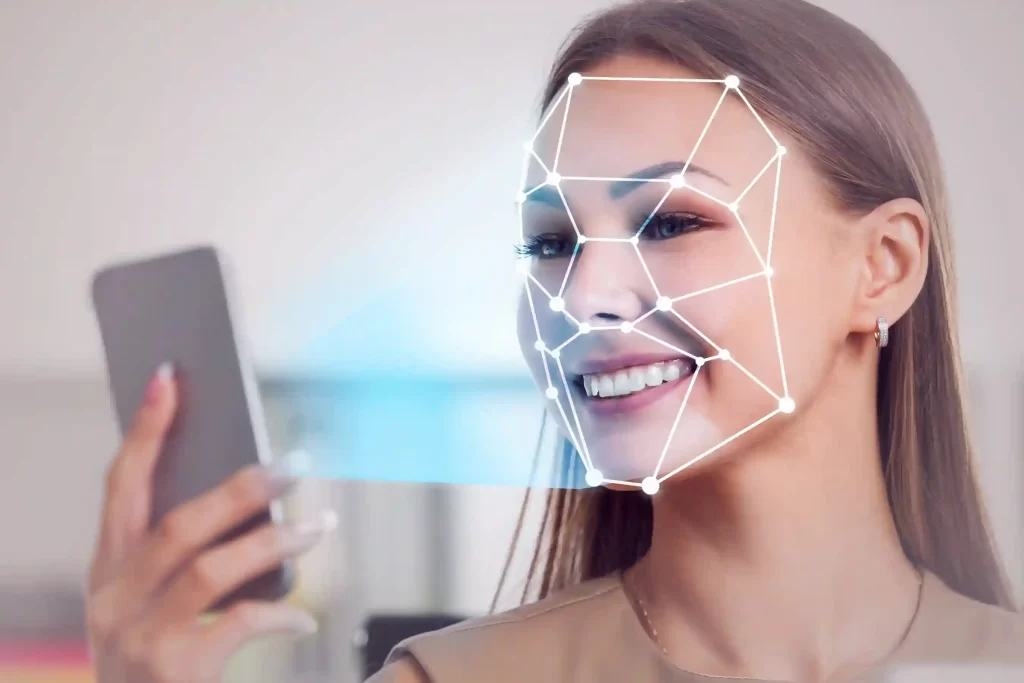
Fingerprint recognition, which has been widely adopted in mobile banking apps, continues to evolve, becoming faster and more accurate. Now, facial recognition technology is taking center stage, especially in the realm of mobile payments and online banking. With the increasing sophistication of facial recognition algorithms, users can quickly and securely log in to their accounts or authorize transactions just by looking at their phone or device. This level of convenience is expected to become the norm as the technology matures and becomes more accessible.
Voice biometrics is also gaining traction, particularly in call centers and voice-activated banking services. By analyzing unique voice patterns, fintech companies can authenticate users over the phone without requiring PINs or security questions. This frictionless experience not only improves customer satisfaction but also adds an additional layer of security, reducing the chances of social engineering attacks or fraud.
What makes biometric authentication particularly compelling for fintech is its potential to enhance both security and user experience. Traditional methods of identity verification can be cumbersome and prone to human error. With biometrics, users can authenticate transactions with a simple touch, glance, or voice command, making the process much faster and more efficient.
The benefits of biometric technologies extend beyond just individual users. For fintech companies, integrating biometrics into their platforms can help streamline compliance with strict regulatory requirements, such as Know Your Customer (KYC) and Anti-Money Laundering (AML) laws. By using biometrics for identity verification, fintech firms can ensure they meet these compliance standards without sacrificing the ease of access that customers expect.
In the second part of this article, we will dive deeper into the challenges of implementing biometric technologies, including privacy concerns, data protection, and the regulatory landscape. Additionally, we will explore how fintech companies are leveraging these technologies to create a more secure and seamless financial ecosystem for both consumers and businesses.
As we continue to explore the role of digital identity and biometrics in fintech, it’s essential to address the challenges and considerations that come with implementing these technologies. While the benefits of biometric authentication are clear, there are still concerns regarding privacy, data security, and regulatory compliance that fintech companies must navigate to ensure they are delivering both a secure and user-friendly experience.
Challenges of Implementing Biometric Technologies
One of the primary challenges in implementing biometric authentication systems in fintech is the collection and storage of biometric data. Unlike traditional passwords or PINs, biometric data is uniquely tied to an individual’s physical characteristics. This raises important questions about how this sensitive data is stored, protected, and accessed. Given the potential for large-scale breaches and the high value of biometric data on the black market, fintech companies must prioritize data security at every level.
To address these concerns, many companies are adopting encryption techniques and ensuring that biometric data is stored in a decentralized, secure manner—often using cloud services that comply with the highest standards of security. For example, biometric data can be stored as encrypted templates rather than raw data, which minimizes the risk of a potential breach. Additionally, fintech companies are increasingly adopting multi-factor authentication (MFA) systems that combine biometric authentication with other methods, such as one-time passwords or hardware tokens, to add an extra layer of security.
Despite these advancements, there are still inherent concerns about the privacy of biometric data. Users are often wary of having their personal information captured and stored, especially given the potential for misuse. In response, fintech companies are investing in transparent practices that clearly outline how biometric data is being used, stored, and shared. Ensuring that customers understand the safeguards in place and the benefits of biometric authentication can help alleviate concerns and foster trust. Additionally, the use of biometric data should always be voluntary, with consumers having the ability to opt out if they prefer traditional authentication methods.
Regulatory Landscape and Compliance
As biometric technology becomes more widespread in the fintech sector, regulators around the world are developing frameworks to ensure that these systems comply with existing data protection laws. In 2026, the regulatory landscape is evolving to address the rise of biometric authentication, with governments focusing on ensuring that biometric data is handled in compliance with privacy laws like the General Data Protection Regulation (GDPR) in Europe, and similar frameworks in other regions.
One of the key regulatory challenges fintech companies face is balancing security with user consent. Under regulations like the GDPR, biometric data is classified as “sensitive personal data,” which means that companies must obtain explicit consent from users before collecting or processing it. This can be challenging, especially when it comes to ensuring that users fully understand what they are consenting to. To comply with these regulations, fintech companies must implement transparent consent mechanisms, providing users with clear and concise information about how their data will be used and stored, and what measures are in place to protect their privacy.
Another regulatory consideration is the cross-border nature of fintech services. As fintech companies expand globally, they must navigate a complex web of regulations that vary from country to country. This includes ensuring that biometric data is handled in a way that complies with the laws of each jurisdiction, particularly when it comes to data storage and processing. The future of biometric authentication in fintech will likely see more standardized frameworks and global agreements that help companies navigate this complexity while maintaining security and compliance.
Future of Digital Identity and Biometrics in Fintech
Looking ahead, the use of digital identity and biometrics in fintech is expected to expand even further. As biometric technologies continue to evolve, fintech companies will be able to offer even more secure, frictionless, and personalized services. For instance, advances in multi-modal biometrics—which combine multiple biometric factors such as face, fingerprint, and voice recognition—will enhance the reliability and security of authentication systems. Additionally, behavioral biometrics (such as the analysis of a user’s typing patterns or device usage) are expected to play a larger role in fraud prevention and risk mitigation, further reducing the reliance on traditional authentication methods.
The use of blockchain technology in conjunction with biometrics may also offer a way to decentralize the storage of biometric data, reducing the risks associated with centralized data breaches and giving users more control over their personal information. By combining blockchain’s transparency and security features with biometric authentication, fintech companies could create a more secure and privacy-respecting model for identity management.
Finally, AI-driven authentication systems will likely become even more sophisticated, improving the accuracy of biometric verification while reducing the risk of false positives or negatives. These AI systems will also be able to continuously learn and adapt, making authentication processes more reliable and intuitive over time.
Conclusion
In 2026, digital identity and biometrics are no longer just futuristic concepts—they are shaping the future of fintech. By enhancing security, simplifying authentication, and building trust with customers, biometric technologies are enabling fintech companies to offer safer and more seamless financial services. However, as the adoption of these technologies grows, so too must the focus on privacy, data security, and compliance with global regulations.
For fintech companies, the key to successfully navigating this new era of digital identity will lie in maintaining a careful balance between innovation and responsibility. By investing in cutting-edge biometric technologies, while also prioritizing transparency, user consent, and regulatory compliance, they can ensure a future where both security and trust are paramount in the ever-evolving world of finance.